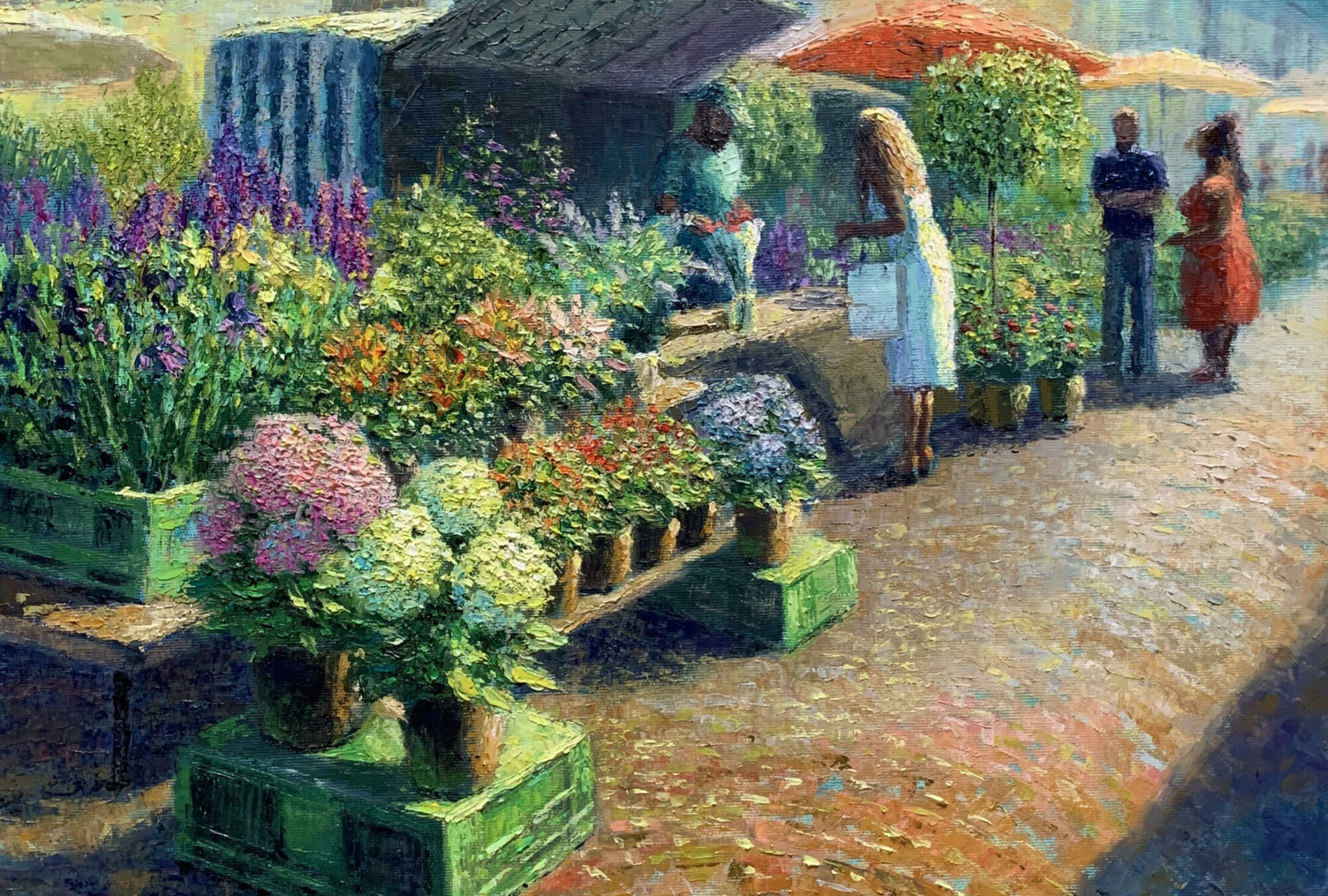
Color plays a powerful role in how we experience the world. Long before we consciously think about it, color shapes our emotions, preferences, and behavior. The reason we enjoy particular colors is a mix of biology, personal experience, and culture.
From a biological point of view, humans evolved to respond to color for survival. Warm colors like red and orange can signal danger, fire, or ripe fruit, which is why they often feel intense or energizing. Cool colors such as blue and green are associated with water, sky, and vegetation, environments that suggested safety and abundance to our ancestors. These early associations still influence how colors make us feel today.
Psychologically, colors are strongly connected to emotion. Blue is often linked to calmness and trust, which is why it is widely used in workplaces and technology brands. Green is associated with balance, growth, and rest, making it a color many people find soothing. Red can evoke passion, excitement, or urgency, while yellow often feels cheerful and stimulating, reminding us of sunlight and warmth.
Personal experience also shapes color preference. A favorite childhood object, a meaningful place, or an important memory can attach emotional value to a specific color. Over time, that color begins to feel comforting or attractive, even if we are not aware of the reason. This is why color preferences can be deeply individual.
Culture adds another layer of meaning. In some cultures, white represents purity and peace; in others, it is associated with mourning. Purple may symbolize royalty, spirituality, or mystery depending on cultural context. These shared meanings influence how we perceive and enjoy colors within a society.
In the end, our love for certain colors is not random. It reflects a combination of instinct, emotion, memory, and cultural learning. Colors speak to us silently, shaping our moods and choices in ways we often feel rather than consciously understand.